
Spotlight on Sorbus

We were in the small trees section in the nursery today. It’s one of my favourite places to work. The trees form a long, low arch of branches across the paths, cutting out the sun and the noise. In spring, it’s full of blossom and birdsong; lately, it’s been full of suckers that need to be cut back and whippy branches trying to poke us in the face. Even so, I started thinking where in my garden I could find room for another tree when I got to the section of Sorbus. Sorbus is a genus containing over a hundred species; I passed three varieties of Sorbus aria (‘White wax,’ Lutescens’ and ‘Magnifica’). But what caught my eye were the Sorbus aucuparia and their closely-related species.
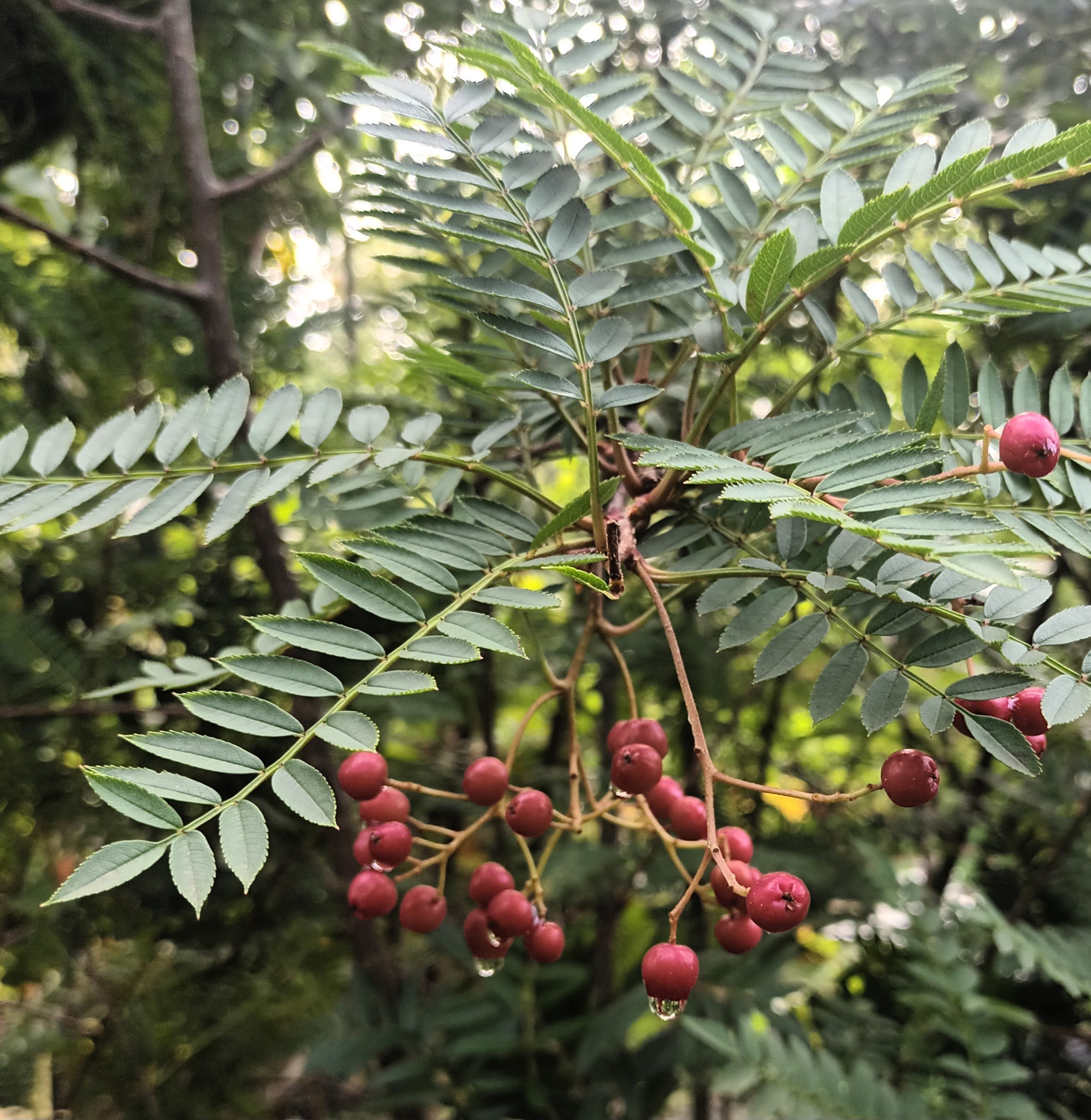
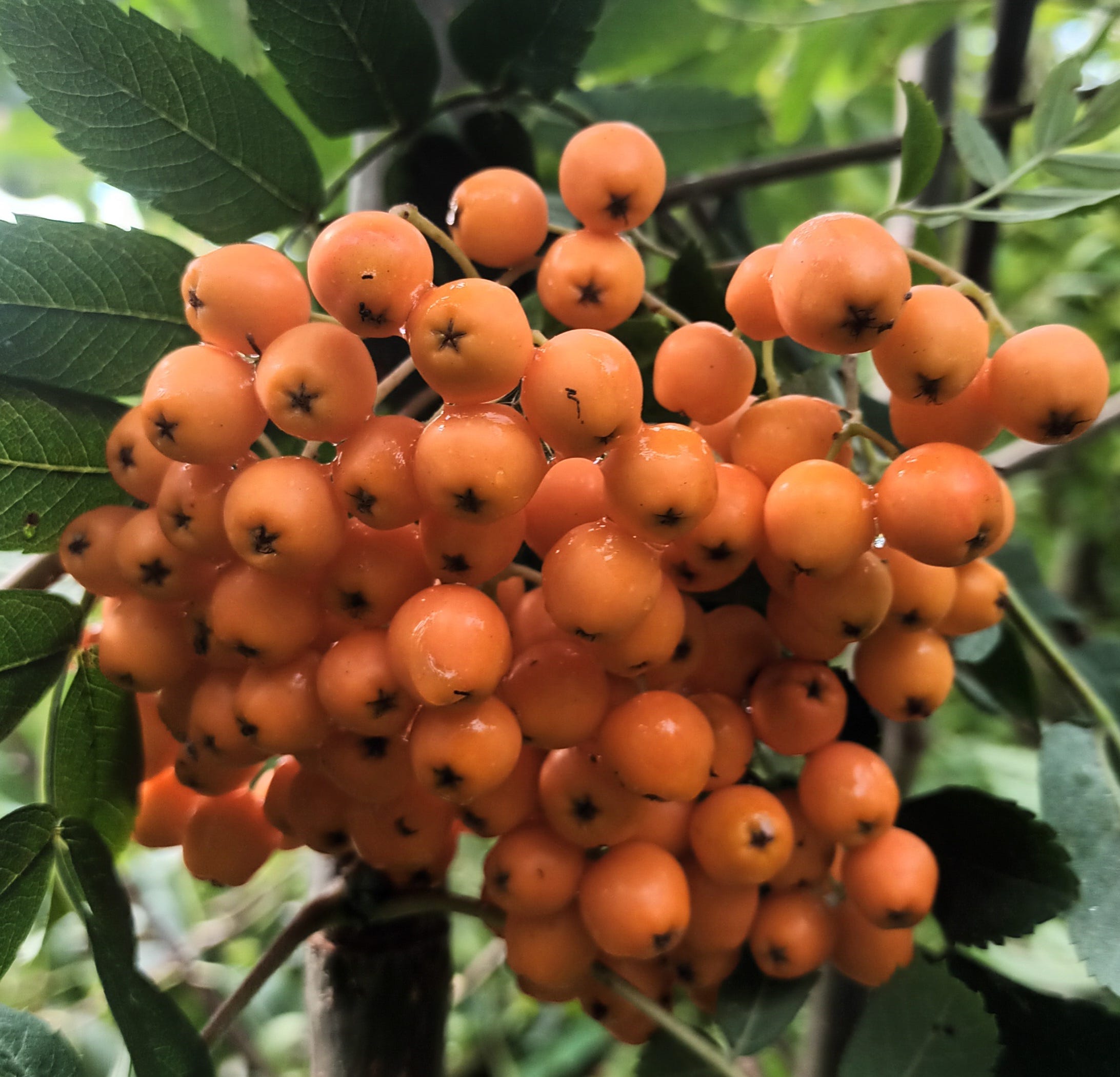
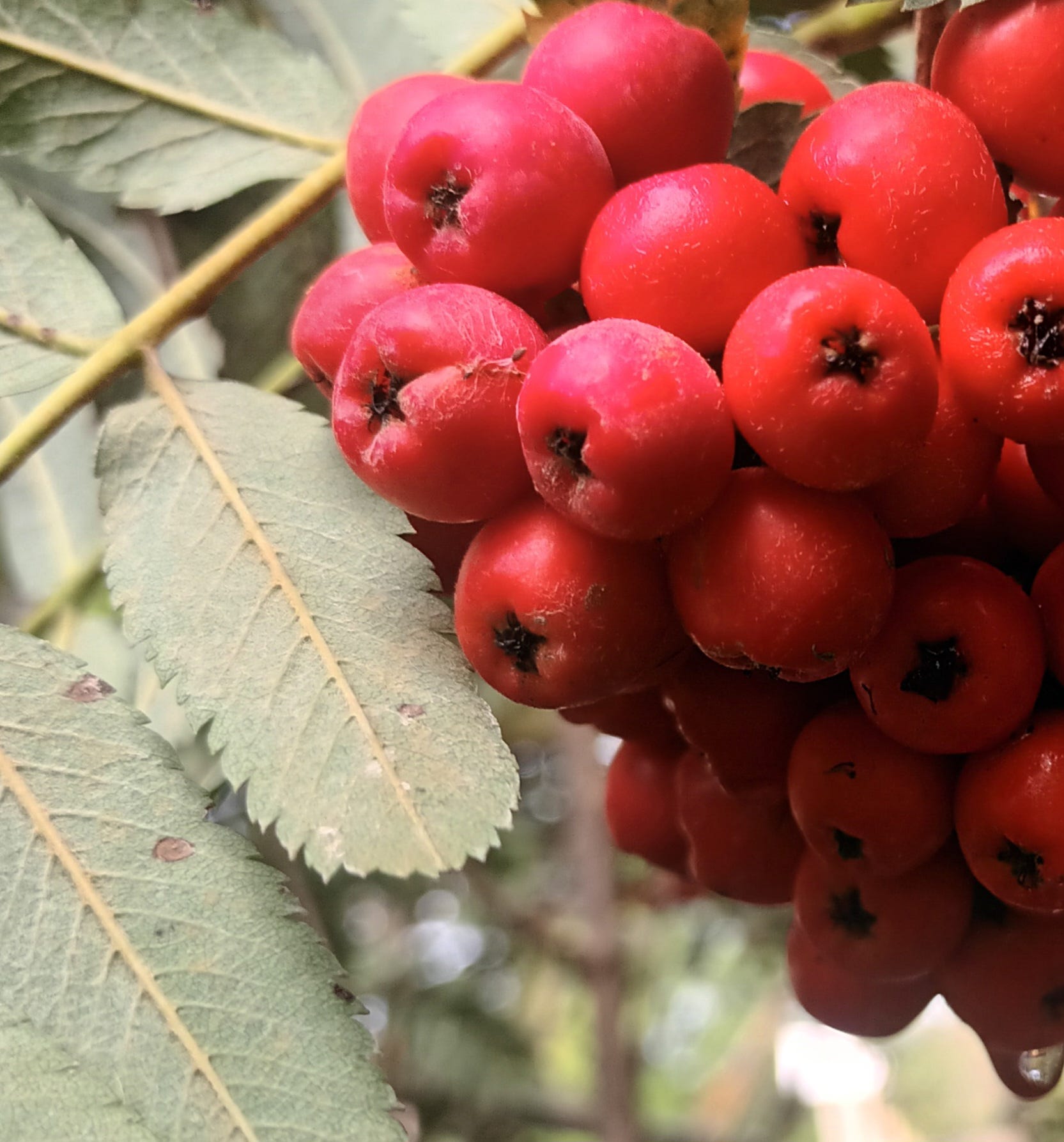
At the moment we have well over a dozen varieties. Their berries - held in large, hanging clusters - are beginning to be at their best. They range in colour from the golden shades of ‘Joseph Rock,’ ‘Golden Wonder’ and ‘Sunshine Yellow’ to the coral of ‘Eastern Promise’ and the full-on bright red of ‘Cardinal Royal’ and ‘Sheerwater Seedling’. S. hupehensis ‘November Pink’ is a gorgeous rose colour, while Sorbus aff. ‘vilmorinii’ has red berries that pale to pink over time. My favourite is S. aucuparia ‘Apricot Queen,’ which is a lovely warm amber that seems to pick up and intensify every bit of lingering autumn sun.
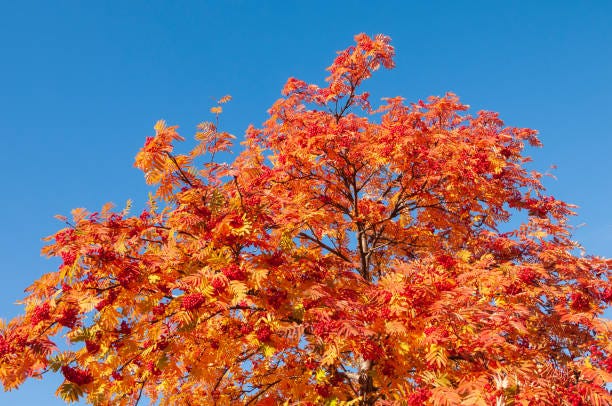
In a few weeks, the whole section will be ablaze with more colour, as the foliage turns shades of butter yellow and orange and deep, clear crimson. Sorbus ‘discolor’ is perhaps the most dramatic, with leaves that even achieve shades of purple. Several varieties have distinctive leaf forms, which show off these colours beautifully. ‘Asplenifolia,’ the cut-leaf rowan, has delicate, deeply incised leaves that give a sense of movement, while ‘Chinese Lace’ is almost frothy and ‘Scalaris’ has leaves that resemble a ladder of leaflets. Sorbus commixta ‘Embley’ is a particularly fastigiate, upright variety, good for small spaces.
All varieties of Sorbus have wonderful creamy corymbs of flowers in spring, which are important for bees, and in times past their fruit was also used as food. D. H. Lawrence calls the clusters of rowan berries ‘sorb-apples,’ and pictures them bursting their sour-sweet, over-ripe juice alongside medlars and grape-vines, ‘among decaying, frost-cold leaves’. You can make a good musky-flavoured jelly from rowan berries (‘Sheerwater Seedling’ would be ideal), although they’re mouth-puckeringly sour when raw.
All varieties of sorbus prefer moist, well-drained, hummus-rich soil. Because their roots are quite shallow, they won’t be happy with soil that dries out easily in summer or becomes waterlogged in winter. But they are tough and resilient in difficult conditions: they cope well with exposure and wind. If you love acers - Japanese maples - but can’t grow them well because of wind-burn, a sorbus aucuparia could be a good alternative option: it has a similar lightness and movement to its branches, and the autumn colour is unbeatable.